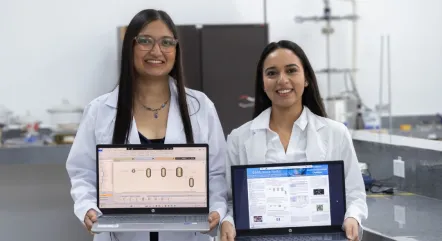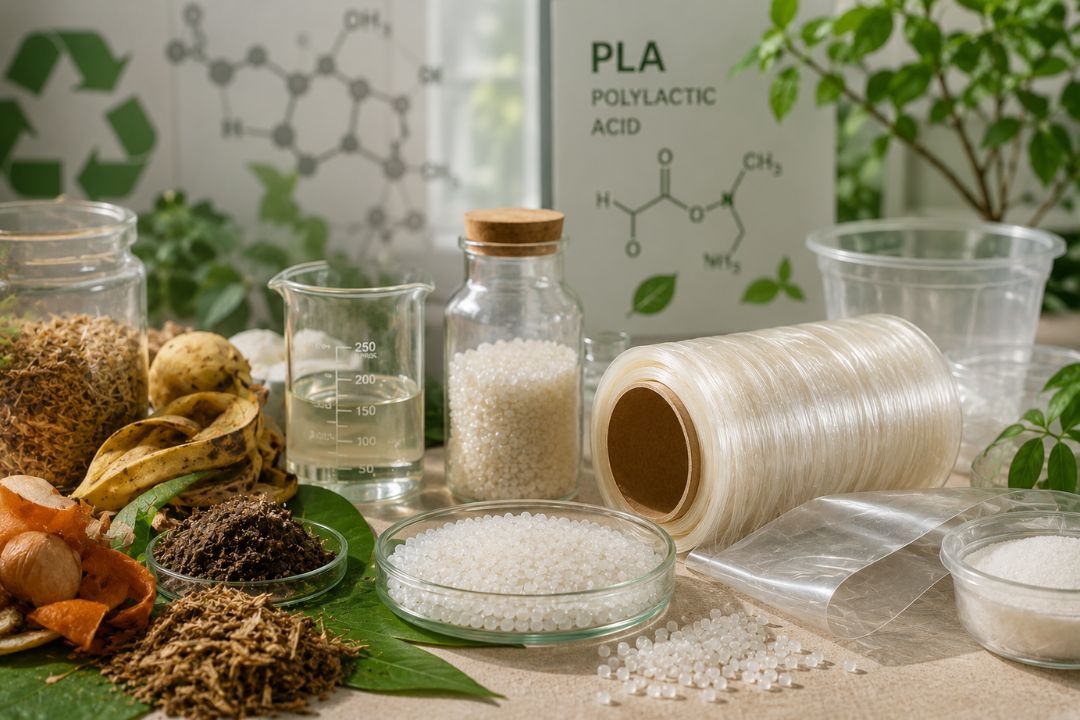

A study led by researchers from the Faculty of Natural Sciences and Mathematics at ESPOL analyzes the potential of polylactic acid (PLA), a bioplastic derived from organic waste, as a sustainable alternative to petroleum-based plastics.
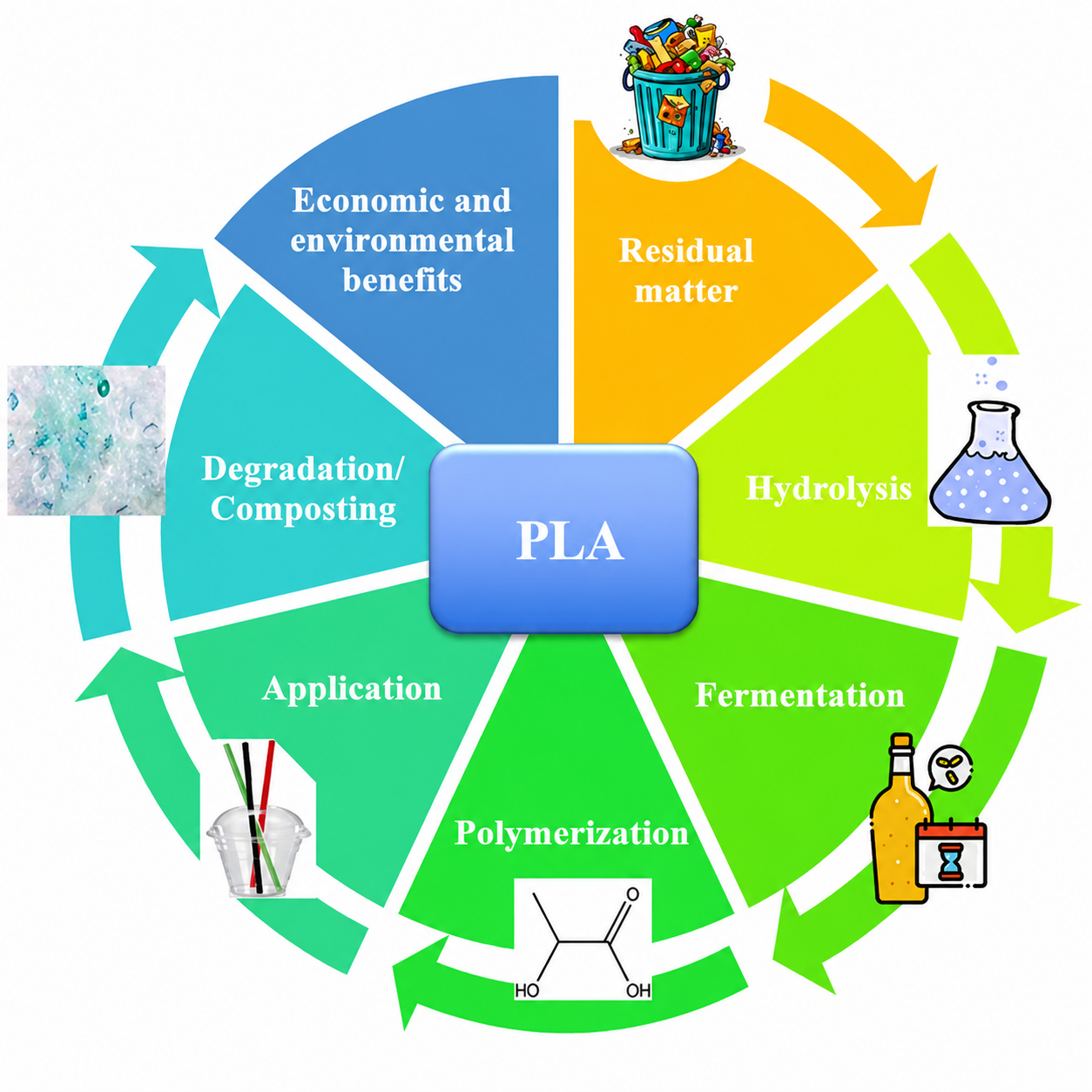
The research, published in the scientific journal Green Chemistry Letters and Reviews, compiles and compares scientific information on different methods for producing PLA, evaluating not only the chemical processes involved but also their economic feasibility and environmental impact.
The work was developed by Andrea Barcia Quimí, MSc., faculty member, and Tatiana Sornoza Macías, MSc., an alumna of the faculty’s graduate programs, with the collaboration of Haci Baykara, Ph.D., and Ángel Ramírez, Ph.D., both research professors from the Faculty of Mechanical Engineering and Production Sciences (FIMCP) at ESPOL.
One of the main global environmental challenges today is the accumulation of plastic waste. In response to this issue, the study sought to identify the most efficient conditions for producing bioplastics using organic waste as a raw material, promoting circular economy models and the sustainable use of waste.
“The scientific information on this topic was scattered and used different methodologies, which made it difficult to compare results and determine the most efficient and sustainable routes for producing PLA,” the researchers explained.
To conduct the study, the team performed a systematic literature review following the PRISMA 2020 methodology. Research was collected from international scientific databases such as Scopus, ScienceDirect, and Web of Science, allowing the team to identify trends, technologies, and operating conditions used across the different stages of PLA production.
Among the most relevant findings, the study identified that certain techniques—such as enzymatic hydrolysis, the use of Lactobacillus bacteria, and specific catalysts in the polymerization stage—can achieve yields above 90% in PLA production.
In addition, the research showed that producing this bioplastic from residual biomass can significantly help reduce carbon dioxide (CO₂) emissions, water consumption, and land use compared to conventional plastics.
The results of this review will also serve as a foundation for future experimental research aimed at optimizing PLA production and advancing toward more sustainable industrial applications.
This scientific contribution reflects the commitment of the Faculty of Natural Sciences and Mathematics (FCNM) at ESPOL to developing research that promotes innovative solutions to current environmental challenges.
“Transforming organic waste into sustainable bioplastics represents a key opportunity to advance the circular economy and reduce the environmental impact of conventional materials,” said Andrea Barcia, research professor at FCNM–ESPOL.
To learn more about this research, the scientific article published in Green Chemistry Letters and Reviews can be accessed by clicking here.