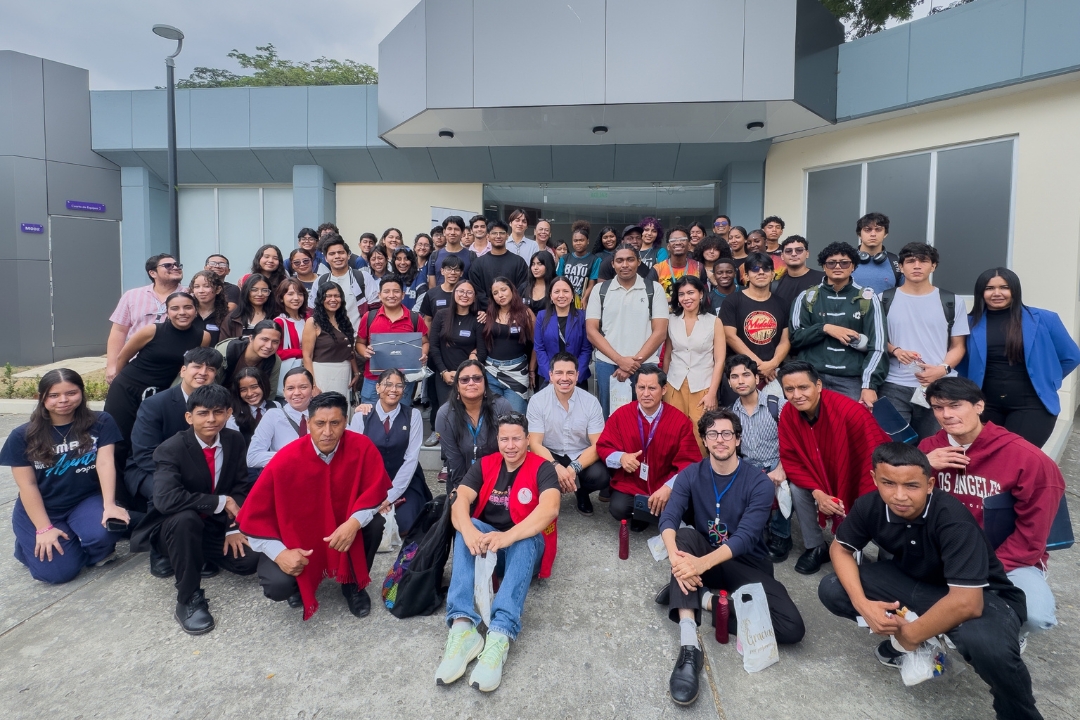


Escuela Superior Politécnica del Litoral (ESPOL), through its Faculty of Natural Sciences and Mathematics (FCNM), hosted the event "Youth: Building Rights, Resilience, and Futures in a Changing World" on July 10 in observance of World Population Day. The event brought together young people, representatives from public institutions, academia, and international organizations to discuss the key challenges facing Ecuadorian youth and develop proposals aimed at strengthening their rights and expanding their opportunities.
The event was organized by FCNM’s Statistics Engineering program in collaboration with the United Nations Population Fund (UNFPA) Ecuador, with support from the National Institute of Statistics and Census (INEC) and Data Club. Its objective was to position young people as key contributors to the analysis of and solutions to issues related to health, rights, resilience, and sustainable development. Throughout the event, participants were presented with data on the situation of young people in Ecuador and the demographic context of Guayas Province, providing a foundation for dialogue among the participating stakeholders.
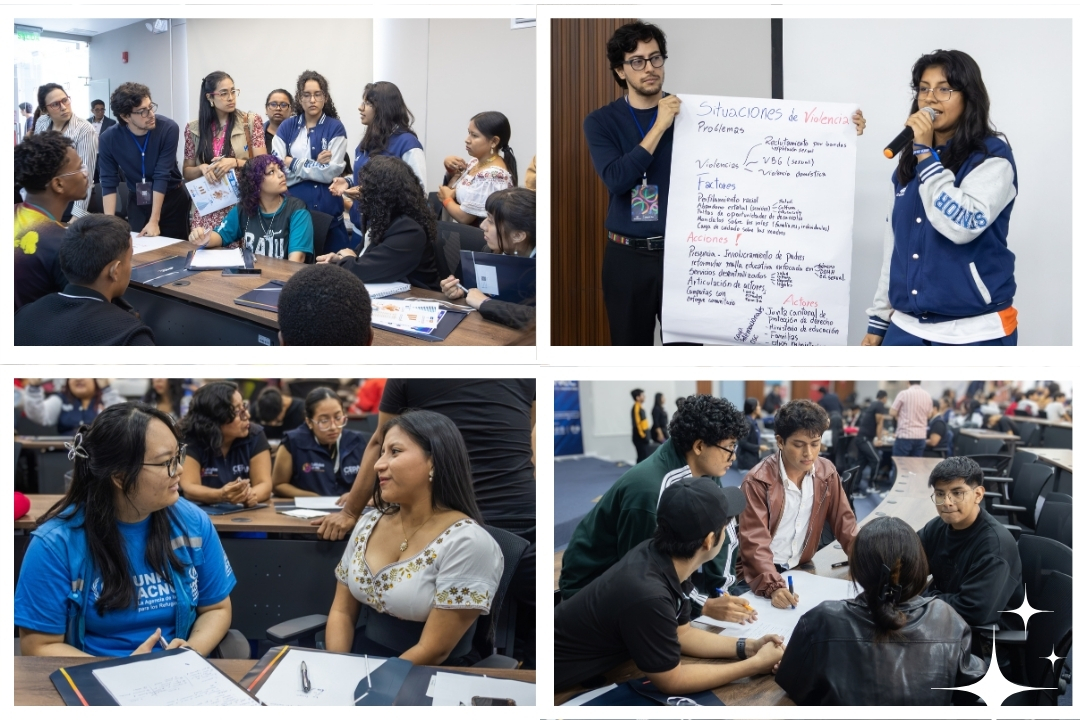
As part of the program, attendees were divided into five thematic working groups addressing key issues affecting Ecuadorian society: mental health and well-being; sexual and reproductive health; violence-free environments and human rights; employment and life planning; and skills for the future, including education, digital skills, and artificial intelligence. These sessions generated proposals aimed at strengthening policies, programs, and initiatives that support and empower young people.
Ana Karina Álava Muñiz, a representative of UNEMI’s Online School of Basic Education, highlighted the value of comparing statistical data with participants’ real-life experiences during the discussion sessions:
“The event allowed us not only to understand the current realities reflected in our country’s statistics across different areas—such as mental health, education, and emerging technologies—but also to exchange perspectives with students and representatives from other educational institutions. The discussion groups covered a wide range of topics, giving us the opportunity to learn about the experiences of both high school students and adults. Reaching a consensus across different age groups was especially meaningful.”
The event’s methodology emphasized the active participation of young people, who led many of the presentations and facilitated the thematic discussion groups with technical support from ESPOL and UNFPA Ecuador.
Marta Yuquilema, Principal of the Guardianes de la Lengua y de los Saberes Santiago de Guayaquil Intercultural Bilingual School, emphasized the importance of universities creating spaces for these conversations and ensuring that high school students have the opportunity to express their perspectives directly:
“For me, activities like this organized by the university are extremely important because they allow us to understand reality from different social and institutional perspectives, and above all, they create a space where young people can come together. It is essential that their voices and needs come directly from them. It was inspiring to see how each group identified objectives, discussed challenges, and proposed solutions that can ultimately contribute to improving public policies in many areas.”
The event concluded with a plenary session during which participants shared the key reflections and commitments developed throughout the day, reinforcing collaboration among academia, public institutions, international organizations, and youth groups.
Through initiatives like this, ESPOL’s Faculty of Natural Sciences and Mathematics (FCNM) reaffirms its commitment to fostering dialogue and collaboration while promoting evidence-based proposals and strengthening youth participation in issues that are critical to the country's development.