More than 300 teenagers participated in the first round of the FCNM Math Competition

More than 300 young people participated in the first round of the FCNM Math Competition

The first phase is complete! On November 15, the Faculty of Natural Sciences and Mathematics (FCNM) at ESPOL held the first stage of the 22nd Ecuadorian Mathematical Olympiad and the 38th Inter-School Mathematics Competition.

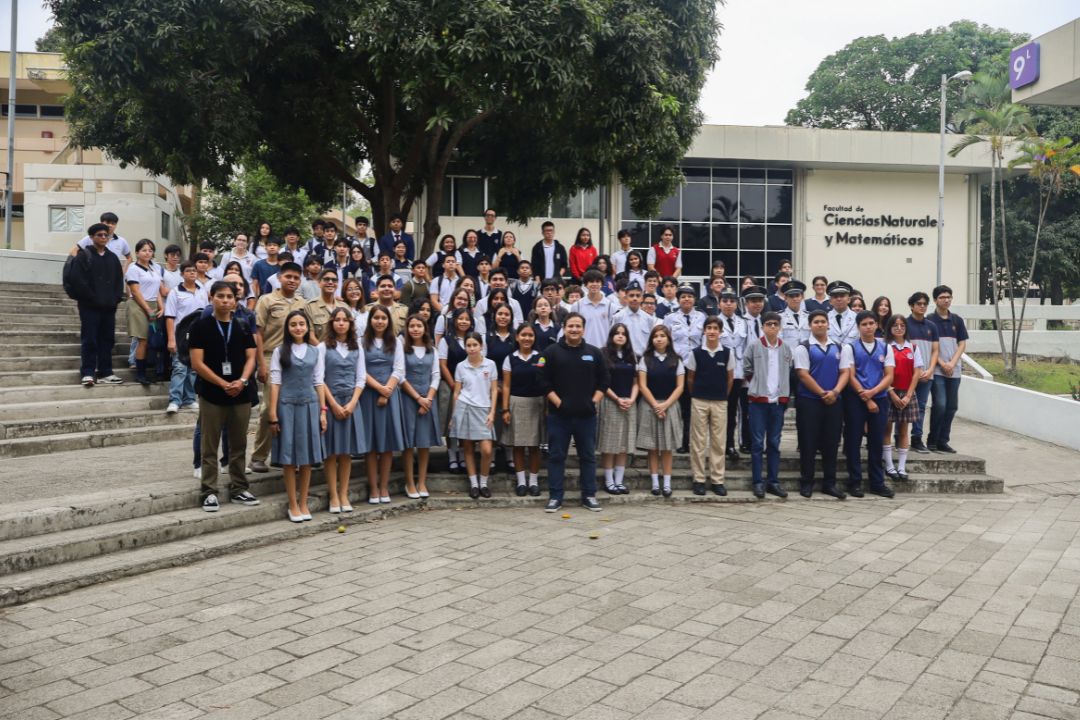
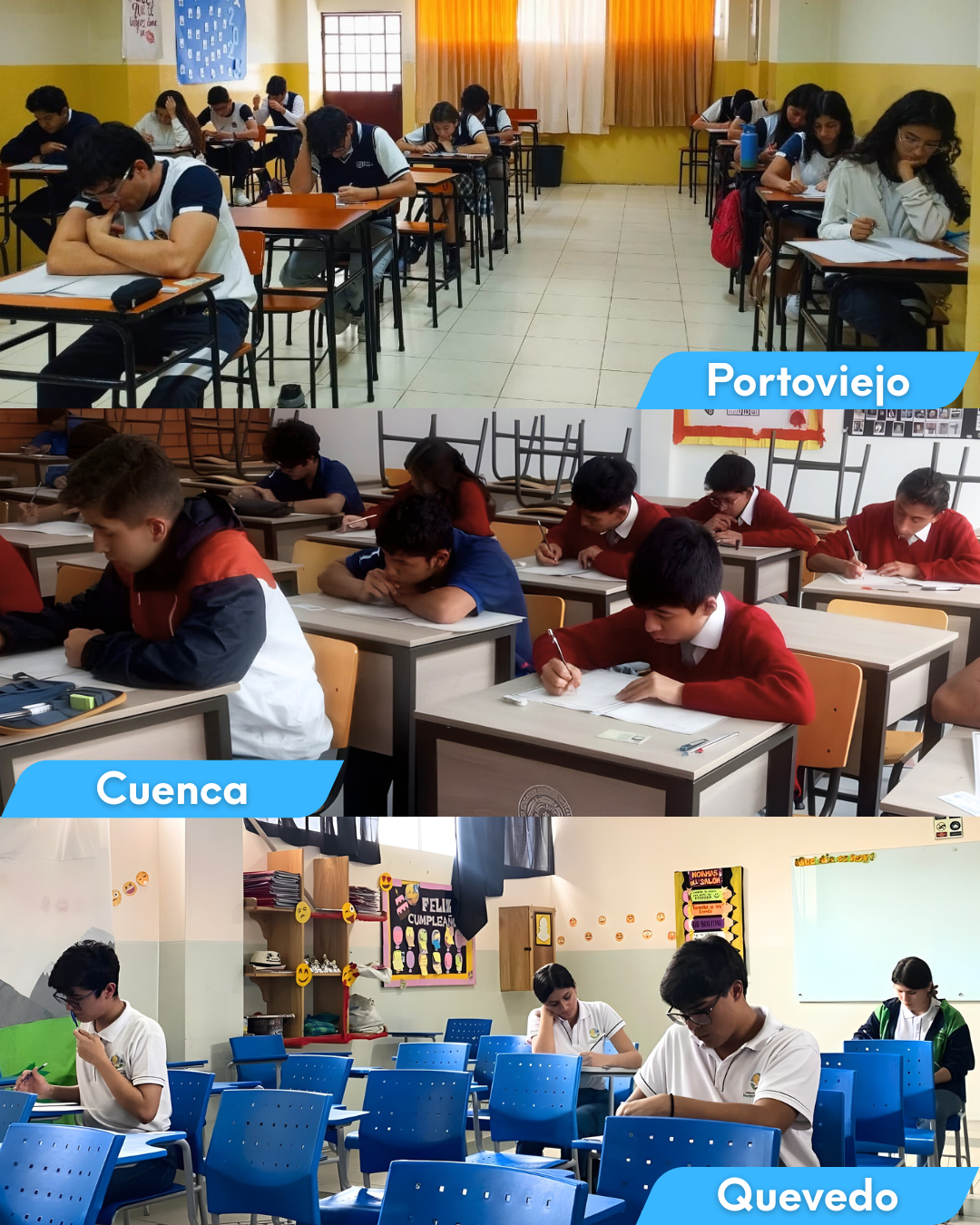
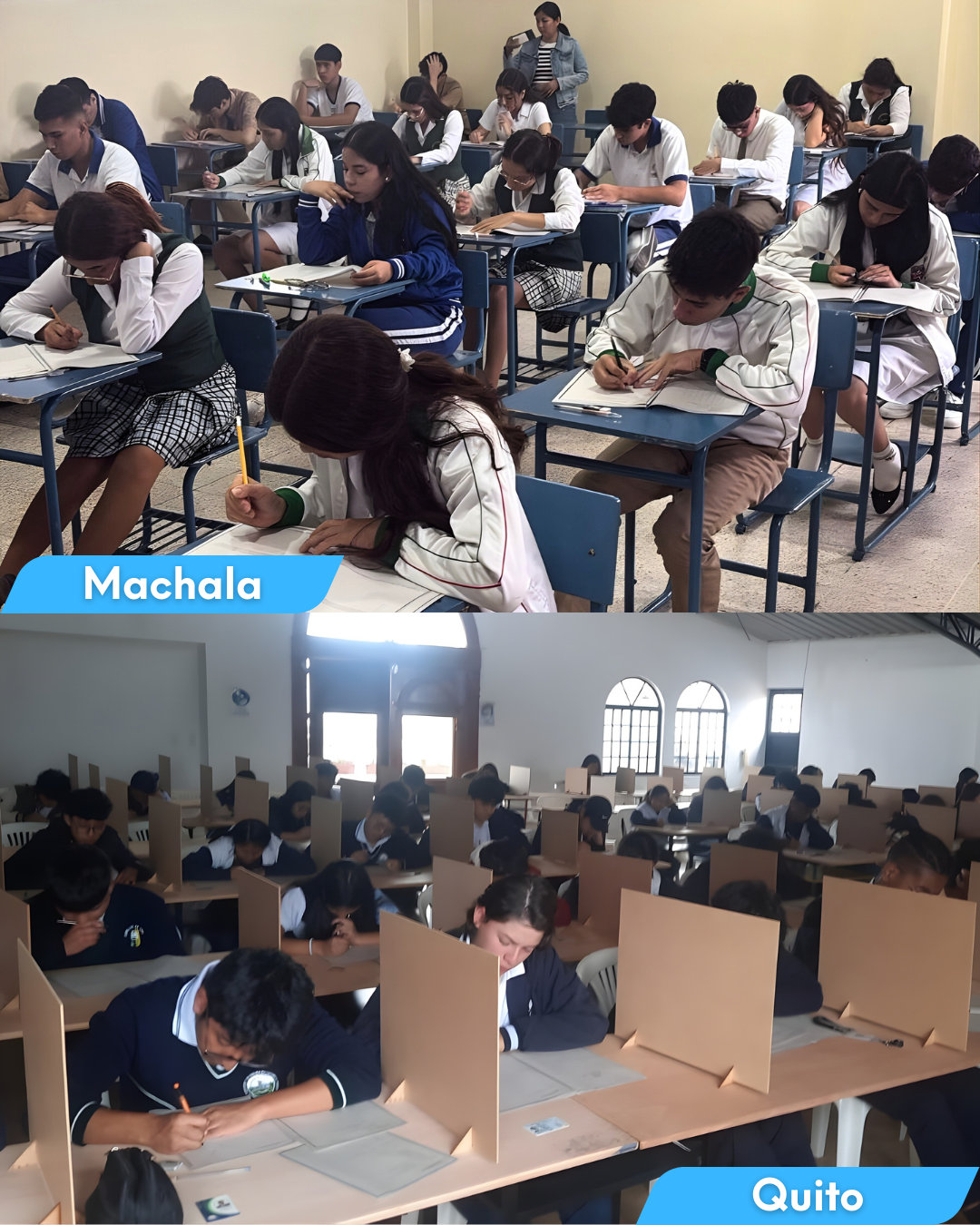
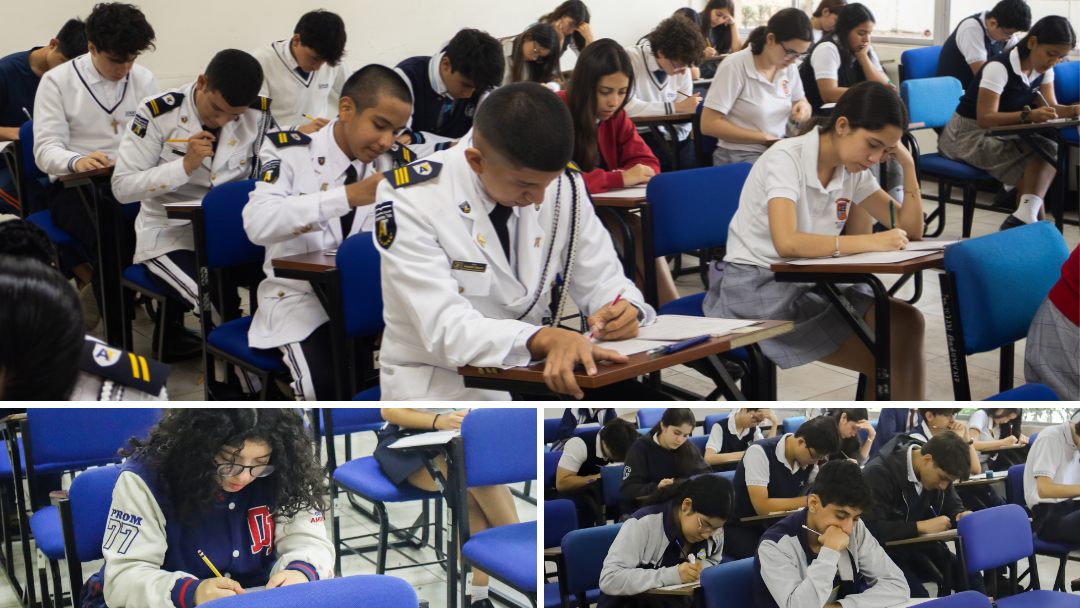
A total of 311 students from across the country participated simultaneously in seven cities. The competition was hosted in Guayaquil, Cuenca, Loja, Machala, Portoviejo, Quevedo, and Quito.

Image
kanguro provincias 1


Image
kanguro 2

For two hours, the students worked through problems in Number Theory, Algebra, Plane Geometry, and Combinatorics, disciplines that require advanced preparation and a high level of mathematical reasoning.

Professor Cristhian Hernández, coordinator of the Mathematics Competitions, emphasized the educational value of the event. He noted that participants are required to go beyond the standard school curriculum—particularly in areas such as Number Theory—and that the impact of these experiences extends far beyond academic achievement.

“Participants feel motivated and excited to spend time with other students their age who share the same intellectual interests. At the end of the exams, it is very rewarding to see them exchanging experiences, discussing the emotions they felt during the competition, and sharing the solutions they came up with for specific problems,” he explained.

Image
Kanguro sede gye
The Guayaquil venue for the competition was the Faculty of Natural Sciences and Mathematics (FCNM) at ESPOL.
 

Edwin Borbor, Mathematics instructor at Liceo Cristiano Peninsular, highlighted the inspirational value of the competition and its ability to broaden students’ horizons:

“Students can step beyond the traditional classroom setting and realize that every achievement and every goal can extend far beyond what they see in class. They can learn new methodologies that help them reach new objectives.”

Professor Hernández added that participation in these competitions helps students develop essential skills for their future professional careers, including critical thinking, abstract reasoning, and decision-making.

The 40 highest-scoring individual participants will advance to the second phase of the Olympiad. In addition, the 10 schools with the highest team scores will compete in the final round of the Competition on December 20.